Rome after dark: a gentle evening shaped by the Tiber
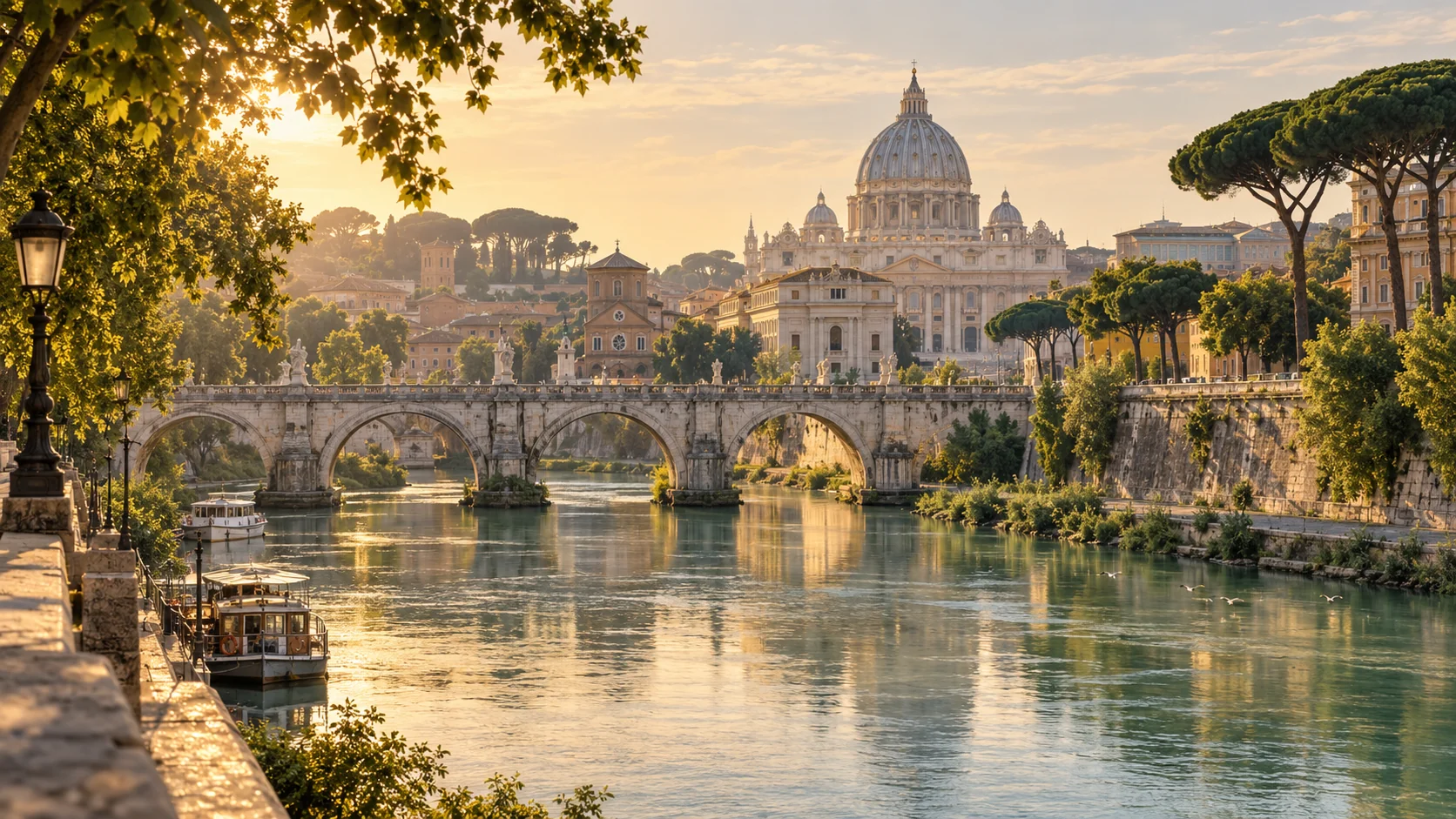
A Roman evening does not need a second full sightseeing schedule. The Tiber can provide a simple shape for a short walk: choose a bridge, a view and somewhere to eat, then stop while the outing still feels pleasant. The river helps organize the city, but it should not tempt you into an indefinite march along both banks after a day already spent on your feet.
Decide whether your priority is conversation, photography, dinner or a particular evening activity. Those aims can coexist, but one should set the pace. Our after-dark collection includes bookable possibilities; a self-guided walk remains a good choice when you want flexibility. No evening atmosphere, however appealing, guarantees that a monument’s interior is open or that a special event is taking place.
Choose one stretch rather than the entire river
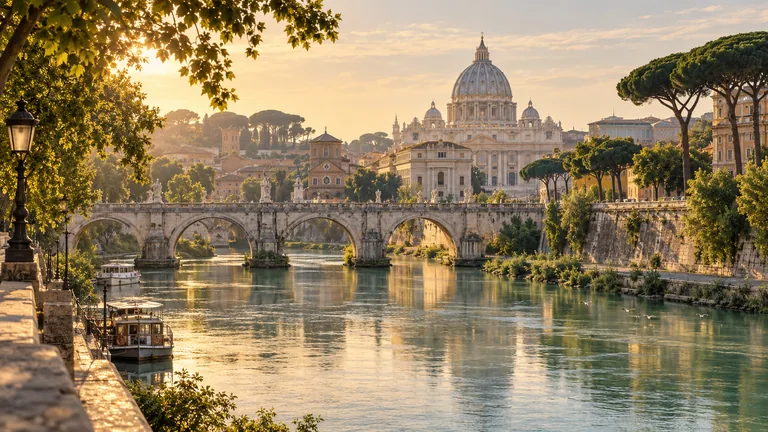
For a first evening, the area around Ponte Sant’Angelo gives you a recognizable meeting point and a strong architectural view. The municipal bridge account connects its origins with Hadrian’s mausoleum, now Castel Sant’Angelo. You do not need to enter the monument to consider the relationship between a crossing and the major building it approaches, although an interior visit would require its own arrangements.
Alternatively, the crossings around Tiber Island connect with a different part of the city. The official bridges guide explains the relationship between Ponte Fabricio, Ponte Cestio and the island. Treat these as separate outing choices rather than automatic stages of one long route. Decide which nearby neighborhood makes sense for dinner and plan the walk so that it finishes conveniently.
Let changing light change the activity
Before full darkness, look at how the river and façades reflect the remaining light. Once it becomes darker, simplify the route and concentrate on places with clear public access and comfortable visibility. A view that was easy to reach during daylight may not be a sensible destination later. Stay on a route you can understand rather than following an attractive reflection down an unfamiliar stairway.
Do not assume riverside paths are always open, continuous or appropriate in every condition. Water levels, works and local restrictions can affect access. A street-level route across a bridge may provide all the river experience you wanted. There is no need to descend to the embankment simply because a map draws a line beside the water.
Make photographs without taking over the walkway
Pause where you can leave room for people crossing. Bridges are routes as well as viewpoints, and an apparently small group can block them when everyone spreads out for pictures. If you use photographic equipment, follow current restrictions and avoid creating a trip hazard. A phone photograph taken considerately is preferable to an elaborate setup that makes a public space difficult for others to use.
Try selecting one visual relationship: a dome beyond roofs, a reflected light beneath an arch, or the repeated figures along a bridge. This produces a more thoughtful image than attempting to include every landmark. If the conditions are disappointing, enjoy the walk anyway. Rome is under no obligation to reproduce the sky, lighting or empty foreground from a promotional photograph.
Give dinner a clear place in the plan
Choose the neighborhood and approximate meal time before setting out, especially if a reservation matters to your group. A leisurely walk becomes less enjoyable when it ends with everyone hungry and uncertain. Read menus and prices, and distinguish an aperitivo offer from a complete dinner. What is included varies by venue; the word alone does not establish a buffet, drink allowance or portion size.
The guide to Roman food beyond pasta can help broaden the choices, while Trastevere in the morning offers a reminder that the neighborhood has more than an evening identity. If you continue there after a river walk, keep the route modest and the noise considerate. Residential streets do not stop being residential when visitors arrive for dinner.
Plan the final journey while you still have energy
Check current transport information for the return rather than assuming the daytime service pattern continues unchanged. Save the address of your accommodation and know where the planned stop or pickup point is. A phone with enough battery, a simple route and an agreed meeting point are more useful than an evening itinerary filled with too many possible alternatives.
Fit the outing into our four-day Rome plan as a gentle conclusion, or use the Aventine guide for another day’s elevated perspective on the city. The best Tiber evening may contain very little formal sightseeing. A bridge, a measured walk, a meal and a final look back can give the day a satisfying end without asking Rome to perform another spectacle.
Sources & further reading
Turn a good read into a great day.
Find a highly rated Rome experience that brings these stories to life.
Explore related experiences →