Four days in Rome without spending every day in ancient Rome
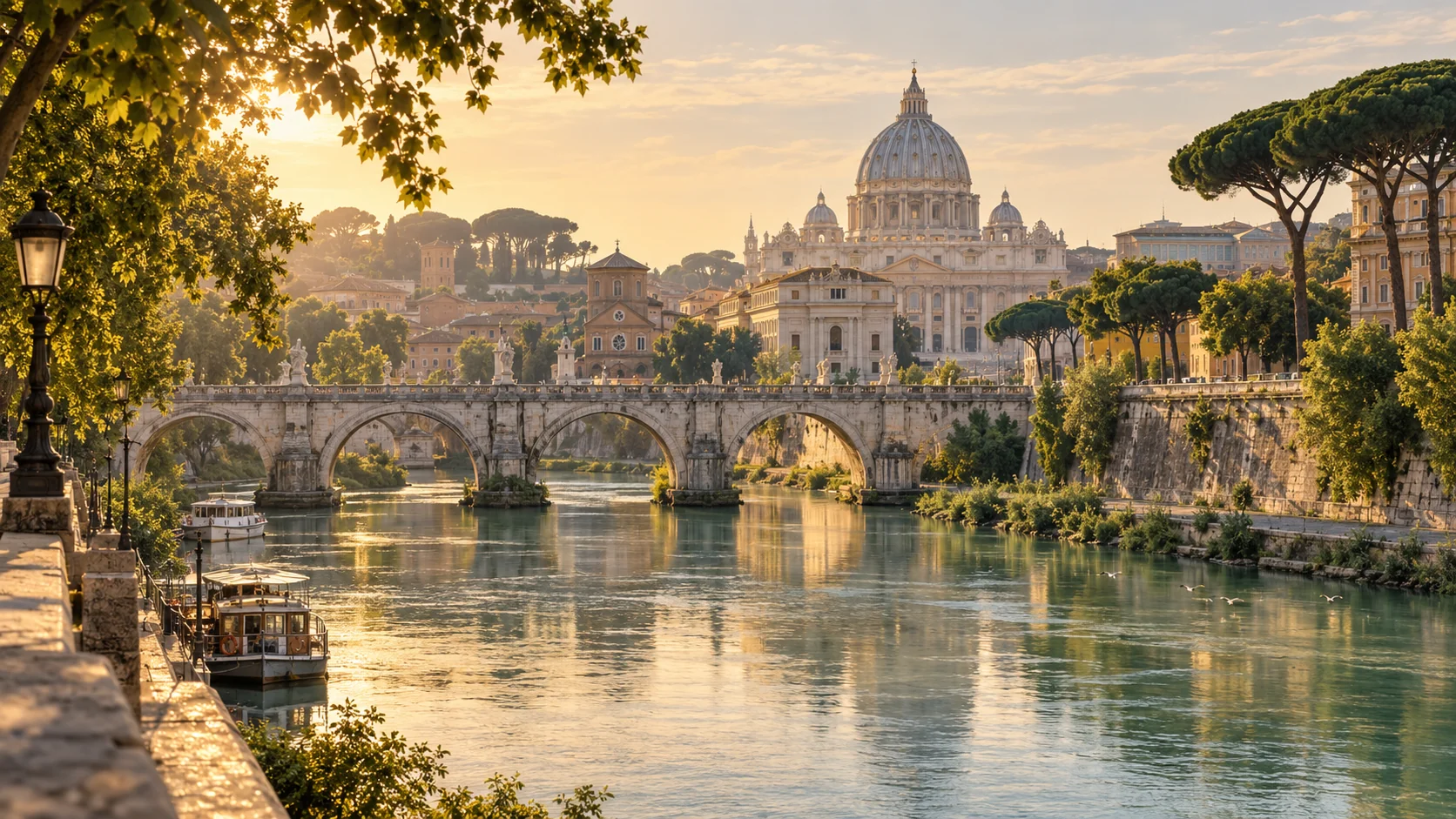
Four days in Rome can hold much more than four days of ruins. Ancient sites deserve attention, but the city also works through markets, churches, apartment windows, gardens and paintings made long after the emperors disappeared. A satisfying first visit lets these different Romes take turns. It also admits a practical truth: a reservation is a fixed appointment, while an interesting street can wait until tomorrow.
This outline assumes four usable days rather than four calendar dates that include late arrival and an early flight. Arrange the order around the reservations you actually obtain. Choose one substantial paid visit on most days and leave the next part flexible. Our day-planning collection helps turn that principle into individual outings without treating every afternoon as an endurance test.
Day one: find your bearings in the historic centre
Begin around the Pantheon and Piazza Navona. These places offer a manageable conversation between ancient form and later city life, with plenty to see outdoors before deciding on an interior visit. Read the Pantheon guide before booking admission, then use a café or lunch stop to discuss which details caught your attention. You do not need a continuous guided itinerary to make this first encounter coherent.
For the afternoon, choose either a church-art walk or a single museum. Resist adding the Vatican merely because it appears close on a map. The transition involves more than distance: entries, security, queues and the mental effort of another major collection all consume time. Finish near where you intend to eat, rather than planning a dinner that requires retracing the entire day.
Day two: give ancient Rome one clear centre
If the Colosseum is a priority, make this its day. Decide whether your interest lies in the building, the wider archaeological landscape or a guided explanation of both. The specialist Colosseum-area day planner is more useful here than a list of every Roman landmark. Read the actual inclusions before choosing an experience; differently named tickets can allow very different routes.
A large archaeological visit need not be followed by another ruin. Leave the evening open for a neighborhood meal, a rest or a short walk. Someone who has spent several hours concentrating on foundations and inscriptions may enjoy looking at a shop window more than encountering another emperor. Variety is part of learning, and permission to stop is part of good planning.
Day three: choose your art, then change the pace
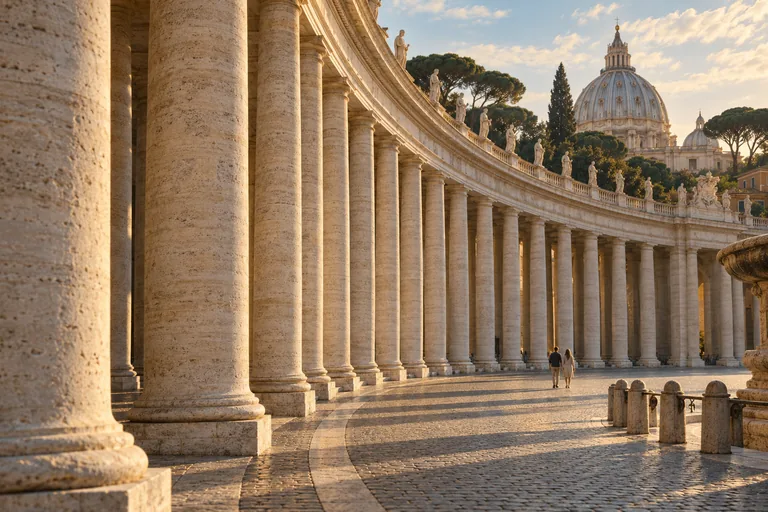
Pick the Vatican Museums, Galleria Borghese or the Capitoline Museums according to what you want to see. They are not interchangeable boxes marked “art.” The Vatican comparison explains why the museums and St Peter’s Basilica are separate decisions. Borghese suits visitors who want a concentrated encounter with sculpture and painting; its official information requires reservations, including for categories entitled to free admission.
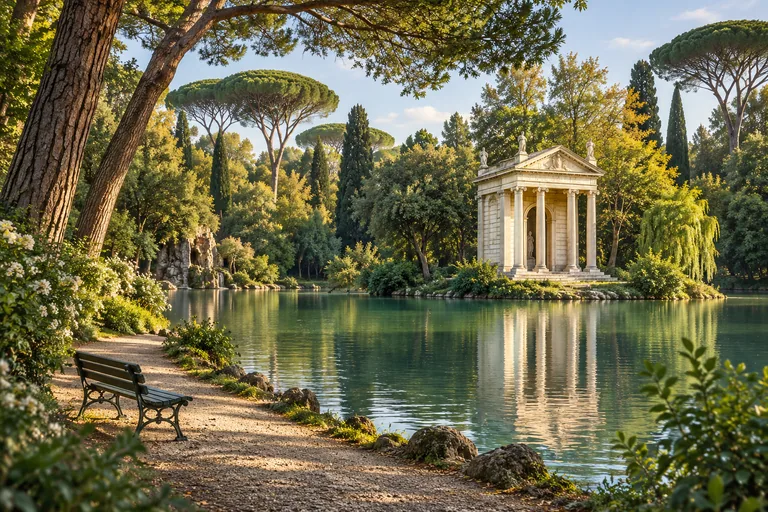
After an indoor art visit, switch to ordinary space. Pair Borghese with a modest part of the surrounding park, or cross into Prati after a Vatican visit for a meal and a pause. Do not assume that the time printed on a ticket is the moment you will be entirely finished. Allow room for collecting bags, finding the exit and simply sitting down.
Day four: follow the city’s everyday life
Use the final day for a neighborhood whose character differs from the monumental centre. Our Testaccio walk through food and work or Trastevere morning offers a starting point. The municipal neighborhood guide places markets, churches and cultural institutions within these wider districts. Choose a small area and give it attention instead of trying to collect both banks of the river before lunch.
Make the afternoon genuinely optional. A garden, a small gallery or an unhurried return to a favorite square may be more rewarding than a late dash to a distant attraction. If you have already visited Rome, substitute Ostia Antica or Tivoli for one full day, rather than squeezing either into a spare afternoon after an important museum appointment.
Make the itinerary fit your actual travelers
Write down the walking tolerance, meal needs and strongest interest of each person in your group. A child who loves drawing may enjoy sculpture more than a long outdoor tour; an adult who dislikes crowds may prefer a smaller gallery even if a larger museum is famous. The itinerary should accommodate those people, rather than an imagined traveler with unlimited stamina.
Before confirming paid activities, check cancellation terms, meeting points and the time needed to reach them. Keep one weather alternative and one unbooked block. Four days cannot exhaust Rome, but they can establish a memorable rhythm: an important visit, a good meal, a change of scenery and enough space to notice something you did not come looking for.
Sources & further reading
Turn a good read into a great day.
Find a highly rated Rome experience that brings these stories to life.
Explore related experiences →