Rome’s Pigneto: what should you notice on a daytime walk?

Pigneto is often introduced through its evening reputation. A daytime walk asks a different question: what does the neighbourhood look like when you pay attention to its ordinary working parts? Shopfronts, doorways, street widths and places to pause can tell you more than a checklist of fashionable addresses. Arrive with a small route, enough time for a coffee and no expectation that a residential district must perform for a visitor.
Give yourself a manageable area
Rome’s municipal tourism guide describes Pigneto as a triangular area between Via Prenestina, Via Casilina and Via dell’Acqua Bullicante, extending from Piazzale Labicano. It places the neighbourhood’s development around 1870, on land previously occupied by gardens, vineyards and villas. That broad outline is useful orientation; it is not a demand to walk every boundary.
Choose a modest section around Via del Pigneto, then check your arrival and return on the current transport map. A line drawn across a map can hide an awkward crossing or a long detour. If you are travelling with children, luggage or limited walking tolerance, plan a shorter loop with a clear return point. Decide where you will stop before fatigue makes the decision for you.
Read the street at more than one height
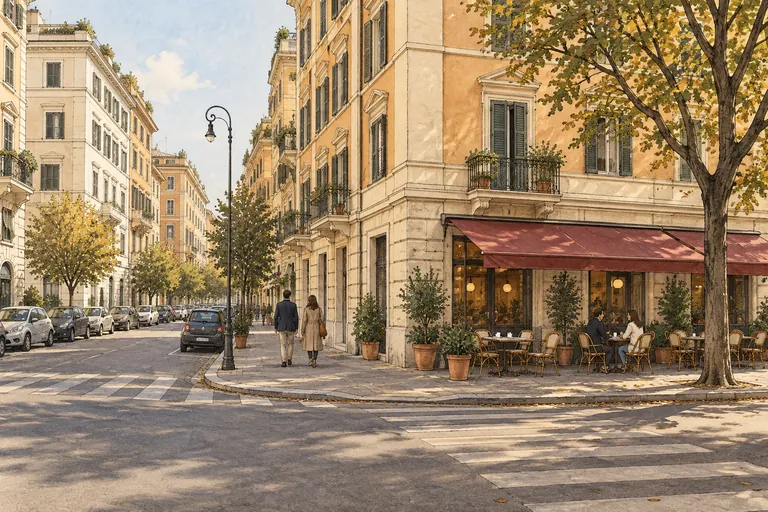
Start at pavement level. Notice how the street accommodates movement, deliveries, conversation and shopping. Then look upwards, without blocking a doorway, at the relationship between shutters, balconies and rooflines. Finally, look along the street rather than at a single facade. Repetition can give a neighbourhood its character even when no individual building demands a photograph.
This is an observation exercise, not a claim that every surface belongs to the same period. A freshly painted wall, an older entrance and a changed shopfront may sit beside one another. Avoid assigning an age from appearance alone. The pleasure lies partly in recognising that a city continues to be adjusted by the people using it, including changes that would never make a monumental history.
Use cinema as a question
The municipal account associates Pigneto with Rossellini’s Roma città aperta and Pasolini’s Accattone. That makes cinema a rewarding lens, but it does not turn the present neighbourhood into an unchanged film set. A useful question is how a director might frame a street: what would be included, what would be excluded and how would the time of day alter the scene?
You can try the exercise without photographing anyone. Imagine a wide view and then a close one. A film frame selects; a neighbourhood contains much more. Public art may add another layer, but works change and private shutters may be closed. Do not build the whole visit around reproducing one image seen online, or treat a resident’s entrance as a convenient backdrop.
Make room for an ordinary stop
The national tourism portal’s Pigneto introduction points to the area’s food and cultural life. Let that encourage curiosity rather than a compulsory venue hunt. Read a menu, check the displayed opening information and ask what is available. A quiet café stop can be the moment when a walk begins to feel like time spent in a place instead of progress through it.
Keep purchases and photographs considerate. Ask before photographing a stall or a close view of somebody working. If you stop to study a wall or consult a map, step aside from the flow of people. Resist the phrase “the real Rome” as though other neighbourhoods were counterfeit. Pigneto is one part of a large city, with its own residents and daily pressures.
Choose a comparison, not a marathon
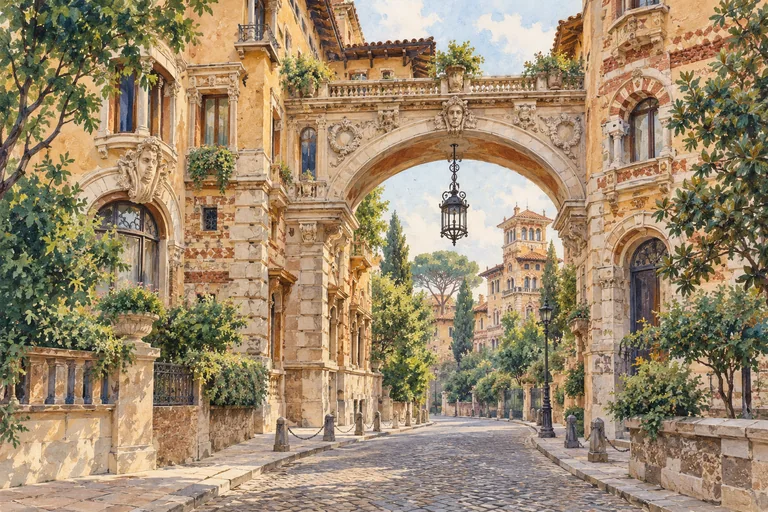
For another walk shaped by residential scale, our Garbatella guide makes an interesting comparison. Prati beyond the Vatican approach offers a different street pattern, while a short Coppedè visit encourages closer attention to decorative details. These work as separate choices; there is no prize for squeezing them into one afternoon.
If you would like a guided introduction, compare the actual neighbourhood and meeting point in our Rome neighbourhood experiences. An archaeological extension near the ancient city needs a different focus; the specialist Colosseum Tour Hub history collection helps keep that distinction clear. Finish the Pigneto walk with one detail you noticed for yourself. A modest observation often lasts longer than a borrowed superlative.
Sources & further reading
Turn a good read into a great day.
Find a highly rated Rome experience that brings these stories to life.
Explore related experiences →