Prati beyond the approach to the Vatican

Prati deserves more than the hurried walk between a Metro exit and a Vatican meeting point. Its broad streets, regular blocks and substantial apartment buildings introduce a different chapter of Rome from the winding lanes many visitors expect. It is a useful neighborhood for looking at the modern capital, pausing over a meal and noticing how everyday activity fits around major institutions.
You do not need a long list of hidden addresses to enjoy it. Choose a small area, look above the shop windows and leave time to sit. This is a neighborhood walk, not a promise that every courtyard opens to visitors or that a particular cafe will have a spare table when you arrive.
Start with the street pattern
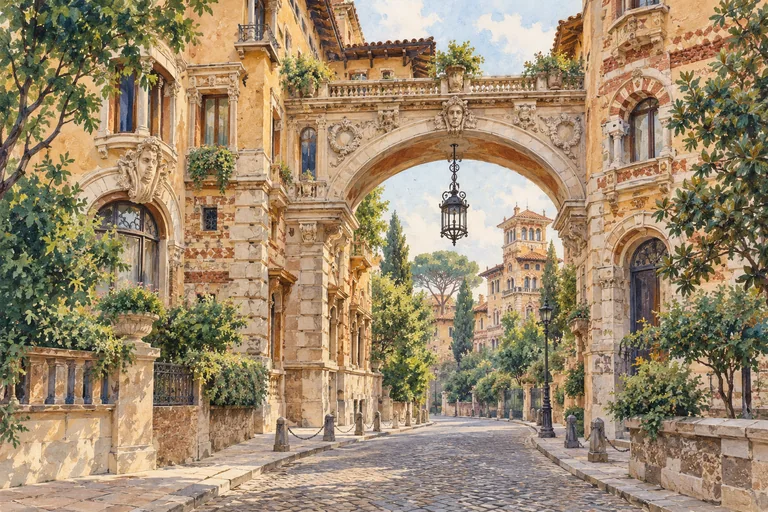
The city’s official introduction to Rione XXII–Prati connects the district’s urban development with Rome’s role as the capital after Italian unification. It identifies predominantly Umbertine architecture alongside Liberty elements, and records Prati’s establishment as a rione in 1921. Those points help explain why this area feels different from a dense medieval street network.
Try an easy observation exercise at a safe crossing. Look along the pavement: how do repeated windows, balconies and building heights establish a rhythm? Then compare one doorway with another. You do not need to label every ornament correctly to see that a street can be designed as a coordinated urban space. Avoid assigning a building’s date from appearance alone.
Make the walk small enough to notice things
A practical first outing can use Piazza Cavour and Via Cola di Rienzo as orientation points, with side streets chosen according to your energy and destination. Set one definite finish point before wandering. If you have a booking later, keep the final stretch direct rather than continually adding another attractive block.
Our guide to choosing a Rome neighborhood suggests assessing a place through the journeys you will actually make. Apply that method here: a district can be convenient for one day’s interests without being close to everything. Compare the route from your hotel to the exact start of your walk, not simply to a broad “Vatican area” label on a map.
Read daily life without turning it into a performance
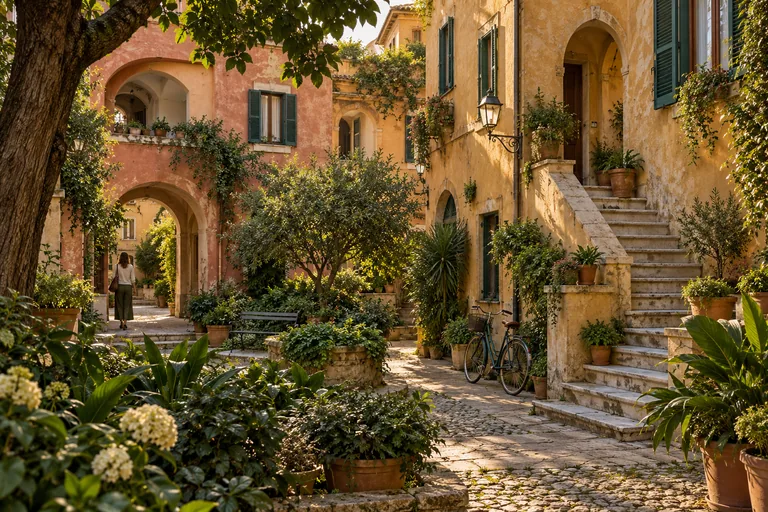
Shopfronts, offices, school runs and people carrying groceries are part of what makes a neighborhood interesting. They are also ordinary lives, not a display organized for visitors. Pause where you leave a clear passage, ask before photographing someone closely, and treat open residential entrances as private unless public access is explicitly indicated.
A coffee stop gives you time to notice a different scale of detail: the width of a doorway, the way an awning shades the pavement, or how a corner accommodates traffic and conversation. Look at the menu and any distinction between counter and table service before ordering. Choosing a place because it suits your immediate needs is more useful than trying to prove you have discovered the most “authentic” address.
Keep Vatican plans precise
Being near the Vatican does not make the Museums, Saint Peter’s Basilica and a tour meeting point interchangeable destinations. Our Museums-or-basilica comparison is a useful starting point for deciding what your day is actually about. Put the confirmed entrance or meeting address into your route before allowing time for lunch or shopping.
For museum visits, the Vatican Museums’ official visit information should be checked alongside your booking instructions. Do not assume that a neighborhood stroll, a basilica visit or museum admission grants access to the others. If Prati is your relaxed afternoon after a major visit, leave the afternoon flexible until you know how tired everyone feels.
A useful contrast with the river
If your route reaches the Tiber, notice how the scale changes from enclosed street views to the wider river corridor. The river is a strong orientation feature, but reaching its edge is not the same as having a suitable route down to the lower level. Stay with the public path that works for your group and the conditions on the day.
Our article on Rome’s river embankments explains another aspect of the city’s modern transformation. Read it as a companion to Prati rather than a demand to extend the walk. One neighborhood and one good comparison can make a more satisfying afternoon than a long sequence of barely remembered stops.
When a guide helps
A guide can connect the street pattern, buildings and political history in ways that are difficult to assemble while navigating. Browse the Rome experience collection, then check the actual route, language, walking pace and finish point. A Vatican-focused activity may include little neighborhood interpretation; a city walk may spend no time inside the museums.
For an independent visit, choose a manageable loop and let the details provide the interest. The aim is not to consume Prati between famous attractions. It is to recognize a part of Rome where the city’s later history has a clear shape—and where a well-timed pause can be as rewarding as another admission ticket.
Sources & further reading
Turn a good read into a great day.
Find a highly rated Rome experience that brings these stories to life.
Explore related experiences →