Rome’s San Lorenzo: how do you plan a daytime neighborhood visit?

San Lorenzo rewards a different kind of attention from Rome’s monumental centre. You can spend a useful morning noticing the relationship between housing, study, small businesses and public space without treating every doorway as a visitor attraction. The practical trick is to choose a modest walk through public streets, then make one separately confirmed interior visit optional. A neighborhood is easier to understand when it has room to remain a neighborhood.
Start with a place, not a reputation
Rome’s official tourism account identifies San Lorenzo with artisan workshops, artists’ studios, Porta Tiburtina, Villa Mercede and the area around the basilica and Verano cemetery. That is a more useful starting list than a single label such as “student district” or “nightlife area.” Different activities share these streets, and the impression of one evening cannot explain their whole working day.
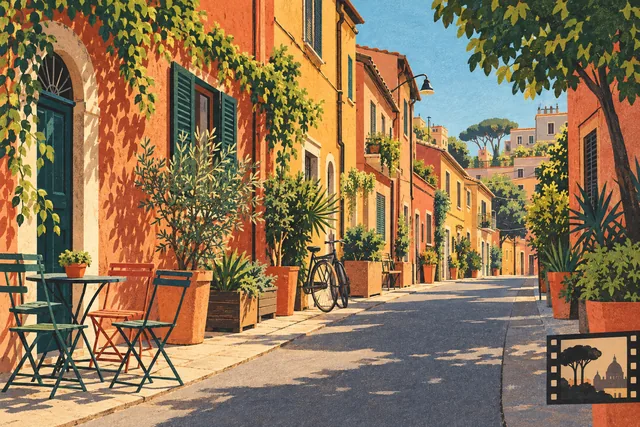
Choose a starting point you can identify on a current map, such as Porta Tiburtina, and decide which public space will be your last stop. Leave the route flexible rather than promising yourself a complete catalogue of sights. At each junction, look for the change in building scale, the shape of a crossing and the way shops address the pavement. These are things you can observe directly; they do not require guessing who lives behind a window or treating private courtyards as public shortcuts.
Give Villa Mercede a specific role
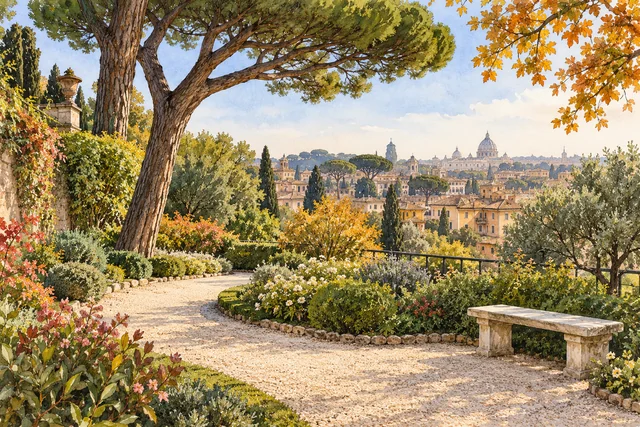
The city’s Villa Mercede entry describes a small garden between Via dei Marrucini and Via Tiburtina, with a path, varied planting and a neighborhood library named for Tullio De Mauro in one of the service buildings. Its current visitor information gives opening from dawn to dusk. Check current municipal notices and the gate on arrival; a park description is not a guarantee that every path or facility is available that day.
Use it as a pause with a purpose. Sit if a suitable place is available, look back at the surrounding buildings, and consider how a garden changes the rhythm of a dense district. Library access and events have their own arrangements. A public park entrance does not establish that you can enter every building within it. Our Villa Celimontana guide develops the same useful distinction between a garden and the institutions associated with it.
University collections require a separate plan
Sapienza is an important neighbor, but “near the university” is not a museum booking. The university’s museum visit and reservation page lists separate contacts and arrangements for different collections. Choose the subject first, check the exact building and entrance, and confirm whether your date needs an appointment. Do not extrapolate the hours of one collection to all the others.
This is especially helpful for a group with mixed interests. Someone keen on science may prefer a small collection with a clear focus, while another person may prefer the street walk and a café pause. Agree on a meeting point rather than making either choice sound compulsory. For an example of looking beyond names and labels, our zoology museum article suggests questions that also work in university displays.
Keep worship and remembrance in view
The basilica of San Lorenzo fuori le Mura and the Verano cemetery bring other purposes into the district. An active church serves worshippers; a cemetery is also a place where people come to remember relatives. Check their own current visitor information if you intend to enter, and follow any local restrictions on movement or photography. Neither should become a casual route through private moments.
Our Santa Prassede guide explains how an art visit can fit around worship. If the city walls make you curious about older routes, Colosseum Tour Hub’s Porta Maggiore article offers a separate archaeological comparison. Porta Maggiore and Porta Tiburtina are different monuments; the connection is a question about infrastructure, not an interchangeable name.
Make the day manageable
Allow for ordinary crossings, lunch decisions and the trip back to your accommodation. Check current transport information for the actual day instead of relying on a remembered tram or bus number. If you need frequent rests, plan a shorter section and confirm the places where you expect to sit. A café stop depends on the business being open and on ordering under its stated terms; it is not public seating by default.
Browse the Rome walking-tours collection if you would like a guided framework, checking the actual neighborhood, duration and meeting point in each listing. A city tour does not automatically include San Lorenzo. Whether you walk independently or with a guide, leave with two or three specific observations rather than a verdict on whether the district is “authentic.” Its value lies in the activities and histories you take time to notice.
Sources & further reading
Turn a good read into a great day.
Find a highly rated Rome experience that brings these stories to life.
Explore related experiences →