Rome’s Museo Napoleonico: what can family objects tell you about history?

A museum with Napoleon in its name might suggest a march through battles and imperial dates. Rome’s Museo Napoleonico offers a more intimate starting point: the things a family keeps, the images it displays and the stories a collector chooses to preserve. Approach it with a question about an object rather than an obligation to memorize a dynasty. A small possession can make a large historical subject easier to examine.
Begin with the collector, not only the emperor
The museum’s official history explains that Giuseppe Primoli donated his collection and the ground-floor rooms of Palazzo Primoli to Rome in 1927. His family connections joined the Bonaparte story to the city, while his interests included books and photography. That background matters: the museum is a shaped collection, not a neutral sample of every object connected with Napoleon.
Ask whose life a label describes and how the object reached the collection. A family keepsake, a later purchase and an institutional addition may sit near one another while carrying different kinds of evidence. The collection history also describes material associated with Giuseppe’s brother Luigi and later growth. This is an invitation to follow relationships rather than assume that everything belonged to one famous person.
Separate what an object shows from what it suggests
Choose one portrait or decorative object identified by the display. First describe what is visible: its size, materials, colors and the relationship between image and frame or container. Then read the label. Does it identify a maker, owner, sitter, occasion or date? Those are distinct facts. A portrait of someone need not have been commissioned by that person, and a later image may commemorate an earlier event.
It is tempting to turn a delicate object into an immediate story about affection or loneliness. Keep that response as your interpretation until documentary evidence supports it. A letter, inscription or recorded ownership can establish something more specific, but even then the museum usually shows a selection. The absent objects and missing voices also belong to the history of collecting.
Notice the palace around the collection
The museum occupies rooms in Palazzo Primoli, where the official account draws attention to historic decoration. Look at the relationship between the domestic scale of a room and the objects placed within it. A ceiling, a doorway or a tightly arranged wall can influence how formal or intimate a display feels. The setting is part of the visit, without making every arrangement an untouched historical scene.
Keep the museum separate from other institutions associated with the same palace. A shared building name does not create a shared admission or permission to enter every space. Our recent Doria Pamphilj portrait guide explores a different palace setting. Comparing the two later can be illuminating; trying to complete them back to back is not necessary.
Use a small set of questions
For an unhurried visit, follow three questions through a few displays. Who is being represented? Who preserved this object? What can the museum establish about it? The answers may point in different directions. A public portrait presents a person for an audience, while a useful domestic object may tell you more about materials and habits than official status.
With companions, each person can choose one object and explain why it caught their eye. Start with the visible detail before adding the label’s information. This keeps the conversation open to someone who knows little about the period. It also prevents the visit becoming a competition to recognize the greatest number of names.
Plan the visit as a focused Roman stop
The current visitor information gives the entrance at Piazza di Ponte Umberto I, 1 and lists Monday closure. Recheck notices, admission arrangements and access needs before setting out. A historic central address alone cannot tell you whether a particular entrance or route meets your requirements. Allow time to arrive without turning the approach into a dash across the river.
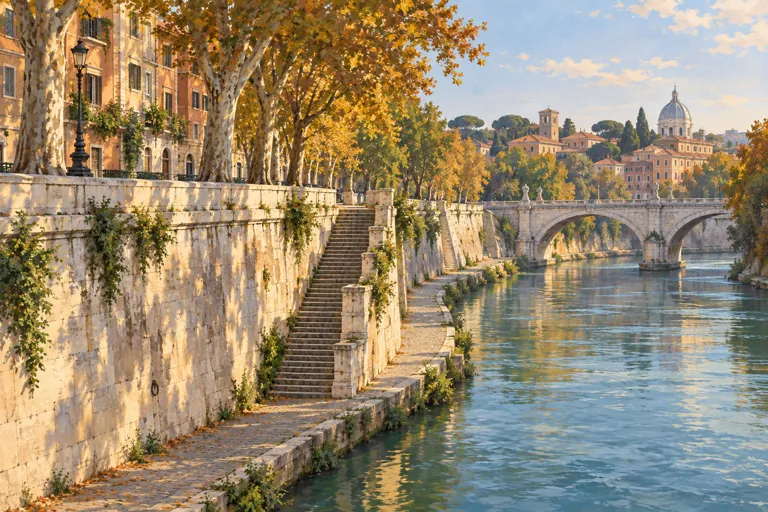
Our guide to small municipal museums helps place this stop within a more selective afternoon. The article on Rome’s river embankments gives the nearby landscape another dimension. On a Florence trip, Museo Horne offers a different collector’s domestic setting. Explore Rome’s history experiences for guided options, checking named admissions. Leave with one well-understood object and one good unanswered question; both are worthwhile souvenirs.
Sources & further reading
Turn a good read into a great day.
Find a highly rated Rome experience that brings these stories to life.
Explore related experiences →