Rome’s Isola Tiberina: how do you plan a short island walk?

Isola Tiberina suits a short Rome walk because it gives you a complete, manageable sequence: one riverbank, a bridge, an island and a second crossing. The temptation is to treat it as a quick photograph between neighborhoods. A little preparation makes the stop more interesting without turning it into a major expedition. Give the bridges and the central public space time of their own, and remember that this is also a place of hospital care and religious life.
Which direction should you walk?
Choose the direction that fits the rest of your day. Rome’s official tourism description of the island places Ponte Fabricio on the side of the Jewish district and Ponte Cestio on the Trastevere side. That makes a crossing a natural connection between two different walks. You can approach from either end; there is no need to retrace your steps just to reproduce somebody else’s route.
If you begin around the Portico d’Ottavia and Jewish Rome, finish that visit with attention to its own history and living community before moving toward the river. Do not reduce the neighborhood to a convenient approach road. Coming the other way, our morning walk through Trastevere can help you choose a preceding or following stop. Keep the island section flexible enough to accommodate your pace.
For planning, reserve a modest block of time rather than scheduling a precise crossing minute. A quick passage and a slow look are different experiences. Decide whether you want only the outdoor walk or whether a church visit, if available, matters to you. Avoid attaching an unverified interior opening to an otherwise straightforward public-space route.
What makes the bridges worth a pause?
Ponte Fabricio offers a particularly clear historical anchor. The municipal heritage authority dates its construction to 62 BC and identifies inscriptions naming Lucius Fabricius. You do not need to decipher the Latin to understand why a named builder and a surviving crossing invite questions about civic memory. Look for details only from a safe, permitted position, and let people continue past you.
Across the island, Ponte Cestio asks for a different kind of attention. Its official tourism account describes repeated rebuilding, including substantial work in the late nineteenth century. Avoid assuming that every visible stone belongs to the bridge’s earliest phase. Comparing the two crossings is an enjoyable exercise in distinguishing the history of a place from the age of every component now in view.
You can compare the width of the crossing, the view opened by each approach and the way the river becomes visible between structures. Those are observations you can make for yourself. They need not become a confident claim about ancient engineering. If the broader relationship between the river and the modern city catches your interest, continue with our article on how Rome’s river embankments changed the city.
How should you understand the island’s stories?
The municipal island description connects the place with the tradition of Aesculapius and a serpent brought to Rome. It presents this as legend. Enjoy the story as a way people explained and remembered a place, while keeping it separate from a verified account of events. A useful travel habit is to ask which parts of a guide’s story are surviving evidence, which are later interpretation and which belong to legend.
Do not let the ancient story absorb everything around you. San Bartolomeo has a present commemorative role: its official sanctuary account explains its dedication to witnesses of faith of the twentieth and twenty-first centuries. If you hope to enter, consult the church’s current information and guidance at the door. This walk does not assume access to the interior, crypt or any particular memorial.
The most rewarding stop may be a quiet look at how different uses share a small area. You can notice a religious building, people crossing the river and the movement associated with an active institution without treating those people as exhibits. Keep photography focused on the setting and avoid intrusive images of anyone seeking care or taking part in worship.
Why do hospital access and river conditions matter?
The hospital’s official directions identify Ponte Cestio as the vehicle approach to its emergency department and Ponte Fabricio as pedestrian only. They also describe parking for specified patient needs. Those arrangements are not an invitation to park on the island for sightseeing. Keep entrances and vehicle routes clear, and move promptly if staff or emergency traffic require space.
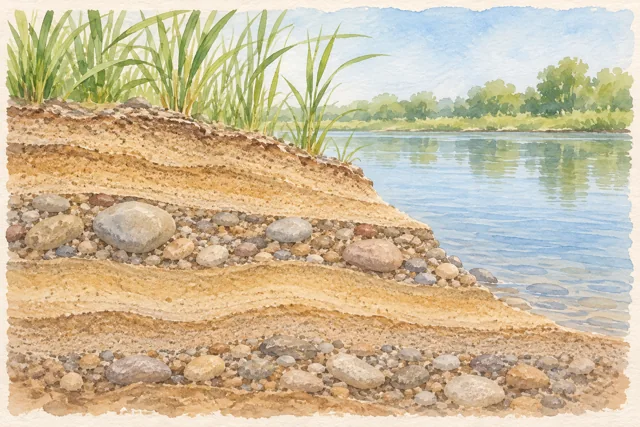
Plan the walk on the ordinary permitted crossings and public spaces. A view of a lower riverside area does not establish that you can safely reach it, or that it is currently open. Follow barriers and local notices, especially when weather or river conditions change. If your party needs a step-free route, confirm the precise approach rather than inferring accessibility from a photograph of a bridge.
What could you pair with this short visit?
Choose one neighboring area rather than turning a small island walk into a race across central Rome. If guided context would improve your day, use our Rome walking-tour collection to compare routes and meeting points. Check whether the island is actually included; an itinerary described simply as “Trastevere” may have a different focus.
For a later Italian journey, Florence offers another way to think about a crossing as a place in its own right. Our sister guide to Ponte Vecchio as a bridge that became a street makes a useful comparison. Here in Rome, let the two riverbanks frame the walk, then give the small island between them your full attention.
Sources & further reading
Turn a good read into a great day.
Find a highly rated Rome experience that brings these stories to life.
Explore related experiences →