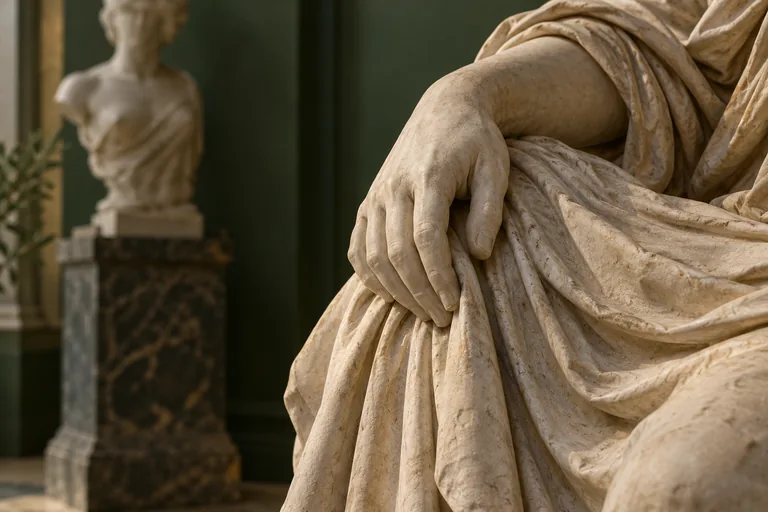
Centrale Montemartini: what happens when ancient sculpture meets industrial Rome?
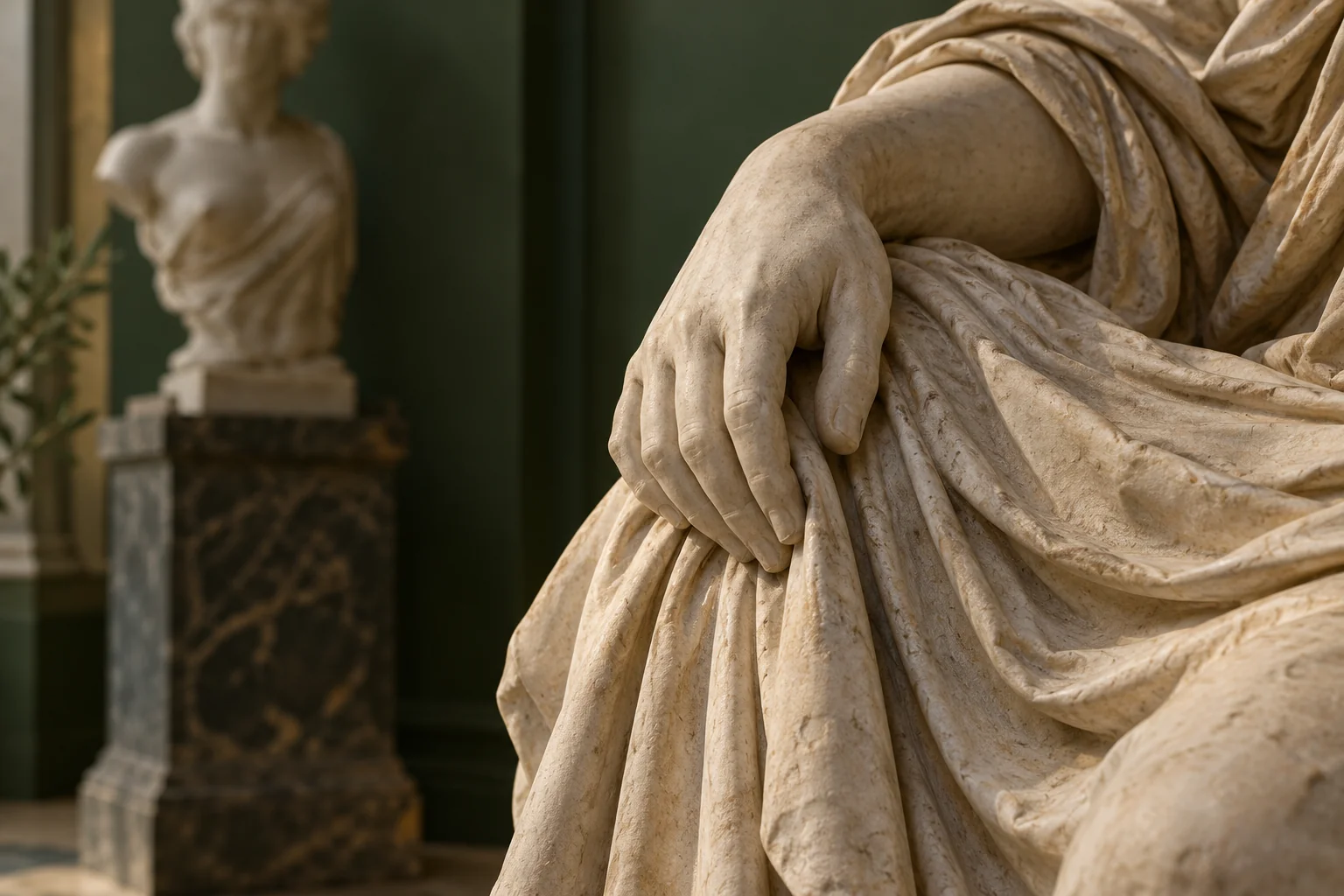
At Centrale Montemartini, ancient sculpture meets the large machinery of a former power station. The combination is striking, but it is more than an unusual background for photographs. It makes two kinds of city visible at once: the Rome that produced and used ancient objects, and the modern Rome that needed energy, engineering and labor. A visit works best when you give both halves of that conversation some attention.
Choose this museum if you enjoy sculpture, industrial spaces or the question of how exhibitions change our understanding of objects. It can also suit a traveler who feels saturated by palace interiors. Our arts and culture collection offers related possibilities, but check the museum’s own current information for entry arrangements, accessible routes and any temporary restrictions before you travel.
Understand the setting before focusing on a statue
The museum’s official introduction explains the transformation of Rome’s first public power plant into a setting for archaeological collections. The machinery is therefore part of the place’s history, rather than scenery installed to make antiquities seem more dramatic. Begin by looking at the scale of the room and the equipment before approaching individual display labels.
Ask what kind of activity the space once needed to support. Where would people have worked, and how does the size of a machine change your sense of your own body? You do not need to understand the entire engineering process to recognize that the building was organized for a practical purpose. Read the interpretation for technical explanations instead of inventing a function from an impressive-looking pipe or wheel.
Notice the difference between an object and its display
A marble figure can look delicate against dark machinery, while the machinery may seem more monumental beside a human form. That contrast is an effect of presentation. It tells you something about how you are seeing the work now, but not necessarily how an ancient viewer encountered it. Keeping those two experiences separate makes the museum more interesting, not less.
Choose one sculpture and study it first from the permitted main viewpoint, then from another available angle. Notice the pose, surface and any missing portions. Read whether restoration or the surviving state affects its appearance. Resist mentally filling every gap with a confident reconstruction. An incomplete object can still provide rich evidence, and uncertainty is a normal part of understanding archaeological material.
Ask where the collection came from
The museum’s entrance-hall interpretation connects many discoveries with Rome’s urban transformation in the late nineteenth century and later development. This adds another layer to the visit: objects were made in antiquity, encountered again during modern work and then organized for public viewing. Their current setting is one chapter in a longer history of movement, discovery and interpretation.
As you read labels, separate the ancient date from the discovery location and the date of recovery. These are different pieces of information. A visitor who notices that distinction begins to see a museum as an arrangement of evidence rather than a room full of timeless masterpieces. It is a useful habit to carry into the Capitoline Museums as well.
Make the visit work for mixed interests
For a group containing both art enthusiasts and reluctant museum visitors, try alternating the questions. One person selects a sculpture detail; another chooses a mechanical feature or a view across a room. Compare why each caught your attention. This gives everyone a legitimate way into the visit instead of requiring the whole party to enjoy the same object for the same reason.
With children, use simple comparisons of scale and material. Which surface appears heavy, smooth, rough or carefully repeated? Let them answer before adding historical context. Keep drawing materials or photography within the museum’s rules, and avoid turning the visit into a race to find the greatest number of objects. A few precise observations are more memorable than a completed worksheet no one enjoyed.
Connect the museum to a wider Roman story
The relationship between work, housing and daily life continues in Garbatella and Testaccio. Choose one as an additional outing if the logistics and opening arrangements fit. Alternatively, leave Centrale Montemartini as a self-contained museum afternoon and use the transport guide to plan an uncomplicated return. A strong theme does not require the longest possible itinerary.
For ancient Rome in its monumental landscape, the specialist Colosseum site provides a different starting point. Centrale Montemartini asks another question: what happens when the city’s ancient objects are seen inside a building that once helped power its modern life? Leave time to look across a room once more before departing. The relationship may now seem richer than the initial surprise.
Sources & further reading
Turn a good read into a great day.
Find a highly rated Rome experience that brings these stories to life.
Explore related experiences →