Rome’s Museo delle Civiltà: how do you choose a route through many collections?

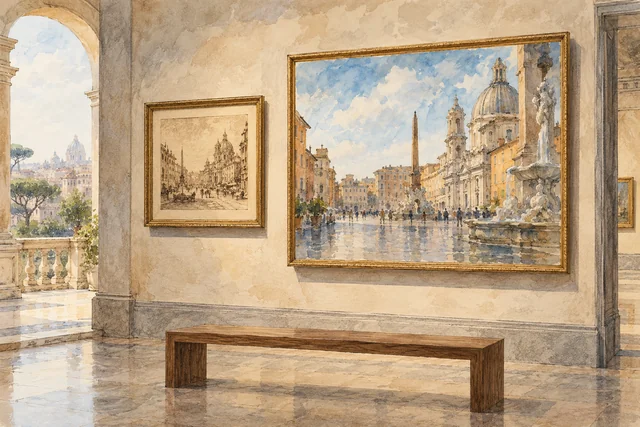
The Museo delle Civiltà is an inviting prospect and a small planning trap. Its name can sound like one continuous story waiting to be followed from the first room to the last. In practice, the institution brings together different collections, disciplines and histories. A rewarding first visit begins by choosing a question you want to pursue, then finding the relevant collection and entrance.
Choose the collection before choosing the route
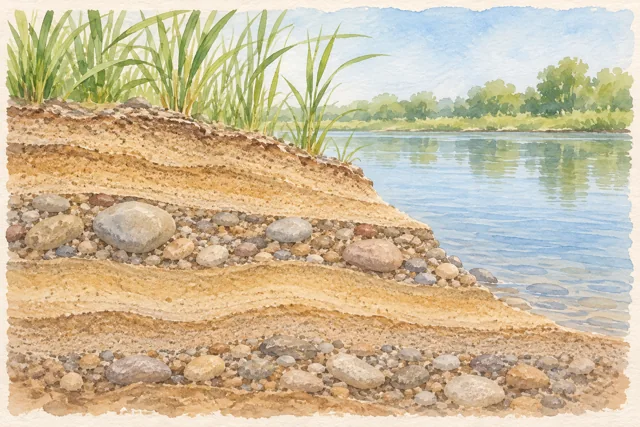
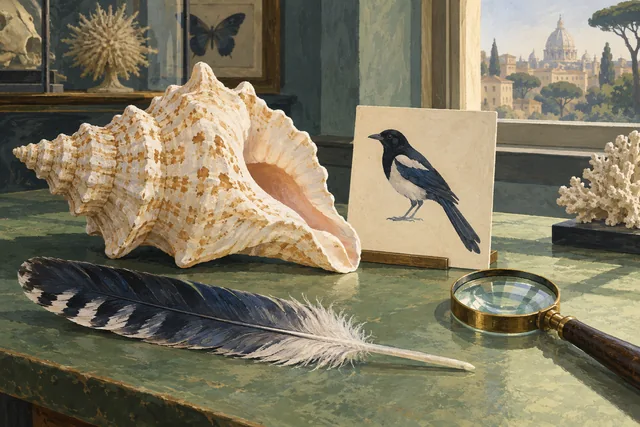
The museum’s collection directory distinguishes prehistory and protohistory, palaeontology and mineral material, early medieval collections, Italian popular arts and traditions, and arts and cultures from several world regions. These headings describe substantial fields of knowledge. They are not a checklist that a visitor must complete in one afternoon.
Start with an interest rather than a number of rooms. Would you like to think about tools and materials, the way a domestic object enters a museum, or how institutions describe the histories of collecting? Select one principal strand and a second only if time and attention remain. There is no prize for remembering the building’s entire contents while forgetting the object that first caught your eye.
Check which building holds your chosen material
The directory places collections across the Palazzo delle Scienze and the Palazzo delle Arti e Tradizioni Popolari in EUR. The official visit page lists the entrances at Piazza Guglielmo Marconi 14 and 8 respectively. Put the relevant address into your route plan, rather than relying only on the institution’s name.
Current opening, admission and room notices should be checked together. At the time of research, the visit page specifically marked the Grotta Guattari room temporarily closed for maintenance. That is a good illustration of why a collection’s presence in the institution does not establish that every part is accessible on your date. If one object or room is the reason for travelling, ask about it directly before committing the afternoon.
Our introduction to EUR’s architecture provides neighbourhood context. Keep that walk flexible until you understand the museum visit’s scale. A building that looks close on a map may still need an unhurried approach, a crossing or a pause that a minute-by-minute itinerary has forgotten.
Read the history of the label as well as the object
One especially important strand is the museum’s work on the former Colonial Museum collections. Its Museum of Opacities introduction explains a research project addressing material once used within colonial propaganda and exploring responsibility for that inheritance. This is an invitation to examine how collections were assembled and interpreted, rather than to treat a museum label as a neutral voice outside history.
At an individual display, distinguish the object’s making and use from the circumstances in which it entered a collection. A date of acquisition is not necessarily a date of manufacture. A collector’s name is not the maker’s name. Where the information is incomplete or contested, leave that difficulty visible in your notes. A thoughtful visit can end with a sharper question rather than a tidy answer.
A guided route can narrow the field
The official visit information describes bookable guided activities, including routes focused on particular collections. Ask which material the proposed visit actually covers, its language, duration and current availability. A general introduction and a specialist collection tour may both be worthwhile, but they solve different problems. Confirm whether admission is included in any quoted arrangement.
For an independent visit, choose a manageable method. Spend a few minutes with one object before reading everything around it; then check which of your first impressions the label supports. Repeat with a contrasting object. Our guide to comparing sculpture at Museo Barracco offers a related looking exercise, although the collections and historical questions are different.
Plan for attention, transport and a pause
EUR deserves its own travel calculation. Use current transport information and our Rome transport guide to work out the complete journey, including the final walk. If you need lifts, seating or a particular access arrangement, consult the museum’s services information and ask about your route. Do not infer that the presence of one accessible entrance describes every temporary display.
Leave some room afterwards to compare notes. Which statement was supported by a documented object history, and which was your own response to a display? That simple distinction makes the experience useful long after a particular room layout has changed.
Browse Rome’s experience collection for other city visits, checking named stops and inclusions rather than assuming a broad cultural tour includes this museum. For a later comparison in another city, Florence’s art and culture experiences offer a different planning chapter. The aim is to give each collection enough attention to remain distinct, rather than making every museum another version of the same afternoon.
Sources & further reading
Turn a good read into a great day.
Find a highly rated Rome experience that brings these stories to life.
Explore related experiences →