How should you plan a first visit to Galleria Borghese?
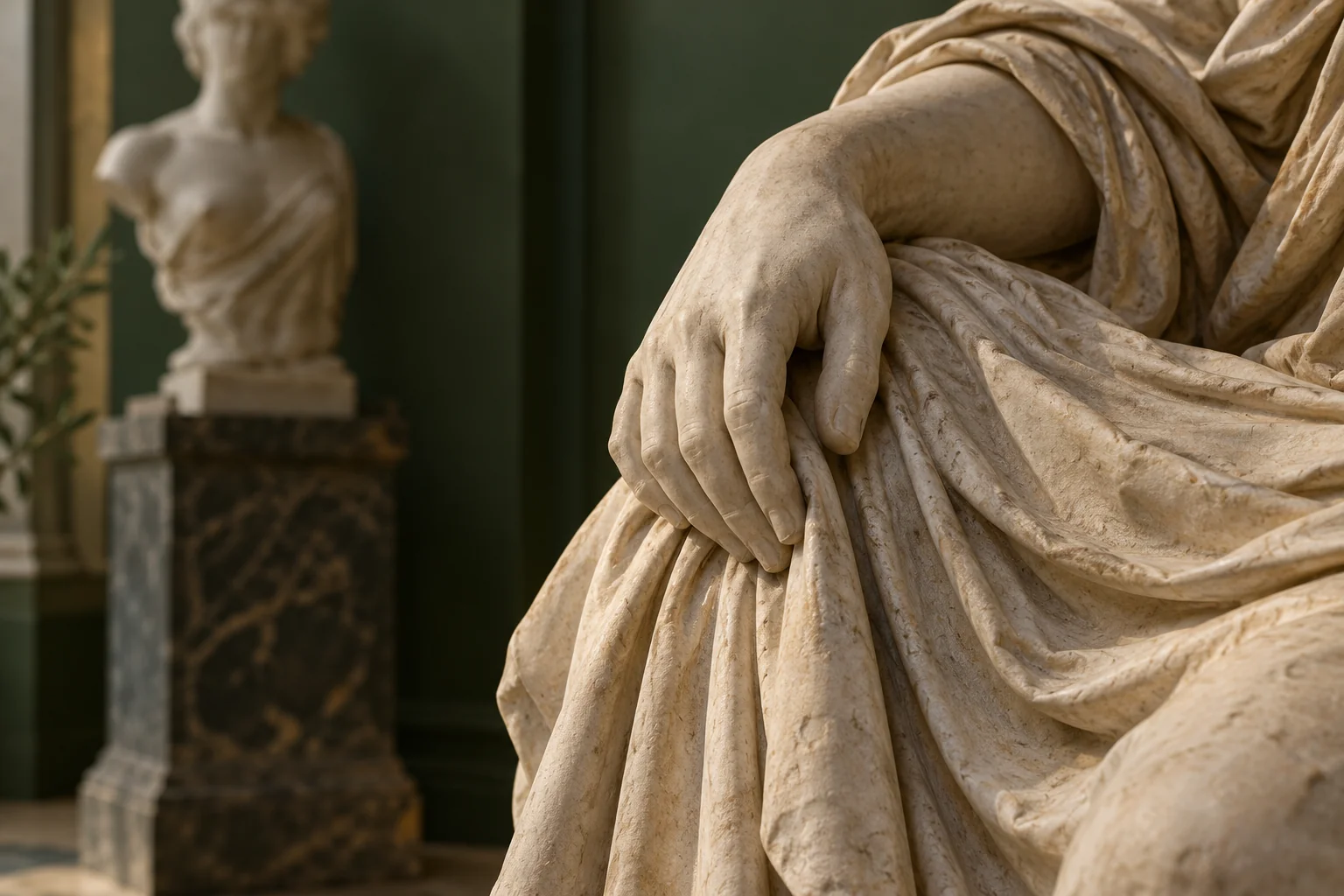
Plan Galleria Borghese as a focused art visit with a reservation, a short list of interests and enough time to reach the correct park entrance. The gallery and Villa Borghese park share a name, but they are not the same visit. Entering the park does not secure museum admission, and wandering toward an attractive avenue is not a substitute for checking where your timed appointment begins.
For a first visit, choose a few works or themes that make you curious rather than trying to master the entire collection. Sculpture, painted stories, portraiture and the decorated rooms themselves all compete for attention. Our Rome art experiences can help compare guided options, while the museum’s own information should remain the reference for access and admission conditions.
Reserve the right thing
The gallery’s official visitor information requires a reservation, including for visitors who qualify for free admission. It also states that there is no special fast-track ticket that eliminates the controlled entrance process. Read the booking confirmation carefully and distinguish the appointment time from the time you should arrive. A tour meeting point may add another step before the museum’s own entry arrangements.
Use the official ticket page to check current prices, eligibility and any exhibition-related changes. Avoid relying on a screenshot from an older trip. If traveling as a family or with concessions, resolve documentation questions before the visit. The small administrative effort is worth doing at home, where it does not compete with the pleasure of arriving in the park.
Let one sculpture teach you how to look
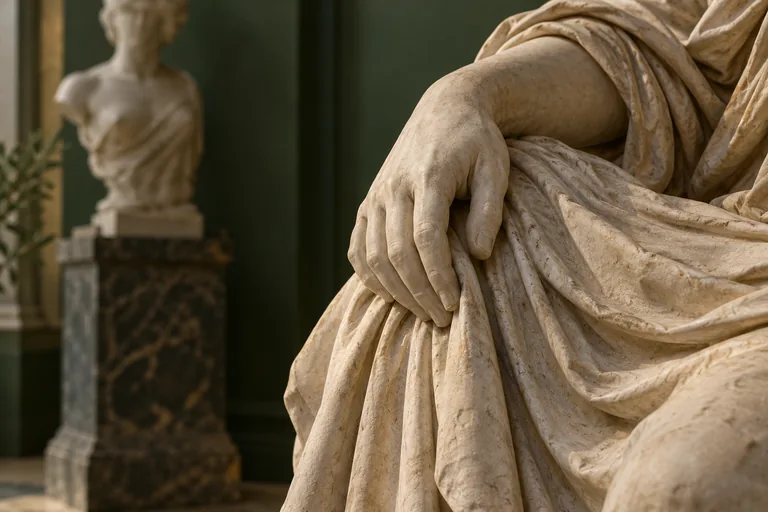
Bernini’s Apollo and Daphne provides an excellent starting point. The museum dates the sculpture to 1622–25 and explains that its placement changed when the room was redesigned later. The official room description therefore offers two histories at once: the making of the sculpture and the later arrangement in which visitors encounter it. A museum room is an argument about how objects should be seen.
Begin with an observation you can test visually. Where does the composition seem stable, and where does it seem to move? How does a change in your viewing position alter the relationship between figures? Stay within the permitted visitor space and give others room. You do not need to identify every mythological detail to notice that stone can suggest radically different textures and forces.
Look at the room as well as the object
After studying a work, look upward and outward. The ceiling, wall color, neighboring objects and sightlines affect your reading of it. Ask whether the setting encourages you to see an isolated masterpiece or a carefully arranged conversation. This question is useful even if you cannot name an architect or confidently distinguish one decorative period from another.
Try making a three-line note after a room: one thing seen, one thing learned from a label, and one question. Keeping observation separate from interpretation prevents a guidebook phrase from replacing your own experience. It also creates a more interesting memory than a phone full of near-identical pictures. Follow the current photography rules and never let documenting the room take priority over sharing it courteously.
Choose guided or independent viewing by your interest
A guide can connect stories, patronage and artistic decisions that are difficult to assemble during a short visit. Independent viewing allows you to spend longer with a particular work and move past subjects that interest you less. Neither method is automatically superior. Consider language, group size, pace and whether the guide’s advertised focus matches what you came to understand.
If your main interest is Rome’s civic history rather than a concentrated painting-and-sculpture collection, the Capitoline Museums may suit another day better. If you are comparing entirely different types of visit, read our Vatican Museums and St Peter’s comparison. The point of comparison is to choose well, not to turn every available museum into a compulsory addition.
Give the park its own modest plan
After the gallery, choose a short garden walk, a meal or a proper rest. Villa Borghese is large enough that “we will see the park afterwards” can become an unexpectedly vague and tiring instruction. Select an exit and the next destination before wandering. The family park guide also works for adults who want a pleasant afternoon without inventing another dense schedule.
Finally, leave space for an imperfect visit. A room may be restricted, an object may be away, or your attention may simply run out before the collection does. You can still leave with a precise memory: a face, a gesture, a painted color or the way a room gathered its objects together. That is a far better first Borghese visit than rushing to prove that you saw everything.
Sources & further reading
Turn a good read into a great day.
Find a highly rated Rome experience that brings these stories to life.
Explore related experiences →